TEACHING PHILOSOPHY

教学理念
My teaching philosophy is rooted in a tradition passed down from my mother, Professor Li Fei-Lan, and shaped by my own experiences as a student, performer, and educator. I believe great teaching begins with understanding each student as an individual - how they think, listen, learn, and imagine. Technique serves expression, knowledge inspires imagination, and disciplined study gradually leads to independence. Rather than simply teaching students how to play a piece, I want them to learn how to listen, question, solve problems, develop their own artistic voice, and ultimately become their own teachers. The goal extends far beyond performances, competitions, or college admissions. Through music, I hope students develop curiosity, resilience, confidence, discipline, and a lifelong capacity to pursue excellence - at the piano and beyond. 我的教学理念源于母亲李斐岚教授传承给我的教育思想,也在我自己的求学、演奏与数十年的教学实践中不断发展。我相信,真正的教育首先是了解每一个学生 - 理解他们如何思考、如何聆听、如何学习,以及如何通过想象去感受音乐。 技术是为了表达,知识是为了启发想象,而严谨的学习最终应当通向独立。我希望教给学生的,不只是如何弹好一首作品,而是如何聆听、提问、思考和解决问题,逐渐形成自己的艺术判断与声音,并最终学会成为自己的老师。 多年以后,我并不以学生是否继续从事音乐来衡量教育的成功。有人走上专业音乐道路,也有人进入医学、科学、科技、法律以及完全不同的领域。对我而言,更重要的是,当他们离开琴房以后,仍然知道如何面对困难,如何要求自己,如何独立作出判断,同时保有对美、对知识以及对世界的好奇。 我最终希望培养的,不只是更好的音乐人,而是能够独立思考、有自己的判断、有韧性,并懂得在人生不同道路上继续追求卓越的人。音乐教育,始于钢琴,而不止于钢琴。
Mr. Dong's teaching methodology
教学方法
TECHNIQUE & SOUND 技术与声音
Technique is never an end in itself. A healthy, versatile physical foundation helps students produce the sound they imagine and express musical ideas freely. I emphasize coordination, relaxation, touch, tone production, and control—always connecting physical movement to what the ear hears. 技术从来不是最终目的。健康而全面的演奏基础,是为了让学生能够弹出自己想象中的声音,并自由地表达音乐。我重视协调、放松、触键、音色与控制,并始终将身体的动作与耳朵所听到的声音联系起来。
Interpretation & Artistic Voice 想象、诠释与艺术个性
Music becomes meaningful when knowledge meets imagination. I draw upon harmony, structure, history, literature, stories, and imagery to help students understand a work from different perspectives. From that understanding, they learn to develop their own interpretation and artistic voice. 当知识与想象交融,音乐才真正具有生命。我常常通过和声、结构、历史、文学、故事与形象,引导学生从不同角度理解作品。在这样的理解之上,学生逐渐形成自己的音乐诠释与艺术个性。
INDEPENDENT THINKING & CONFIDENCE
独立思考与自信
My goal is not to create students who depend on a teacher for every answer. I guide them to listen, question, experiment, analyze, and discover solutions on their own. In doing so, they gradually develop independence, confidence, and trust in their own musical judgment. 我的目标并不是培养凡事依赖老师给出答案的学生。我希望引导他们学会聆听、提问、尝试、分析,并自己寻找解决问题的方法。在这个过程中,他们逐渐建立独立思考的能力、自信,以及对自己音乐判断的信任。
Listening & Musical Understanding 聆听与音乐理解
Students learn to listen critically - to their own sound, harmony, structure, phrasing, color, and stylistic nuance. The goal is not simply to play the notes correctly, but to understand why the music unfolds as it does and what it communicates. 学生需要学会真正地聆听——聆听自己的声音,也聆听和声、结构、乐句、音色与风格。学习的目标不仅是把音符弹对,更要理解音乐为什么这样发展,以及作品真正想表达什么。
TEACHING THE INDIVIDUAL
因材施教
Every student learns differently. Teaching begins with understanding the individual - their personality, thinking style, strengths, difficulties, and stage of development. The same musical goal may require a different explanation, image, question, or approach for each student. 每个学生的学习方式都不相同。教学首先要理解学生本身——他们的性格、思维方式、优势、困难以及所处的成长阶段。同一个音乐目标,对不同的学生可能需要不同的语言、想象、提问方式和教学方法。
GROWTH BEYOND THE PIANO
超越钢琴的成长
The ultimate purpose of musical education goes beyond competition, auditions, or even the piano itself. Through serious musical study, students develop discipline, resilience, curiosity, imagination, and the courage to pursue excellence on their own. These qualities can remain with them wherever life takes them. 音乐教育最终的意义,远远超越一次比赛、一次考试,甚至超越钢琴本身。通过严谨而深入的音乐学习,学生逐渐建立自律、韧性、好奇心、想象力,以及独立追求卓越的勇气。无论未来走向何方,这些品质都可以伴随他们一生。
TEACHING IN PRACTICE
教学实录
Student lessons
Mozart: Piano Sonata No. 13 in B-flat Major, K. 333
In this teaching session, Ethan Dong works with his student Anne Liu on Mozart's Piano Sonata K. 333, exploring musical interpretation, sound, phrasing, style
Masterclass
Frédéric Chopin — Ballade No. 1 in G Minor, Op. 23
Ethan Dong works with a young pianist on Chopin's First Ballade during a masterclass at Oberlin Conservatory, exploring interpretation, structure, sound, phrasing, and the relationship between technique and musical expression.
STUDENT VOICES
学生感言
“He would guide you into discovering solutions on your own… That way of learning changes you. It teaches you how to think, not just how to play.” "他会引导你自己去发现解决问题的方法……这种学习方式会改变一个人。它教会你的不仅是如何演奏,更是如何思考" 我的目标并不是培养凡事依赖老师给出答案的学生。我希望引导他们学会聆听、提问、尝试、分析,并自己寻找解决问题的方法。在这个过程中,他们逐渐建立独立思考的能力、自信,以及对自己音乐判断的信任。
“My lessons were always a highlight of my week, and I have countless memories of emerging from those lessons feeling rejuvenated and inspired by his wealth of knowledge and expertise” “每周的钢琴课总是我最期待的时光之一。至今我仍记得,无数次下课后,我都感到焕然一新、深受启发——这源于董老师深厚的学识与专业素养。”
ANNE LIU
Columbia–Juilliard · New England Conservatory · USC DMA
PHOEBE PAN
Oberlin · Northwestern University PhD Candidate
“The rigor of the instruction taught me discipline, structure, and how to practice smart… Those habits carried into everything else I pursued” “严格的教学让我学会了自律、条理,以及如何更有效地练习……这些习惯也延续到了后来我所追求的其他领域。”
JACK Zheng hua XIA
UCSD · Young Steinway Artist
MUSICAL LINEAGE & LEGACY
传承

BOOKS OF Li Fei-Lan
母亲李斐岚教授著作与档案资料


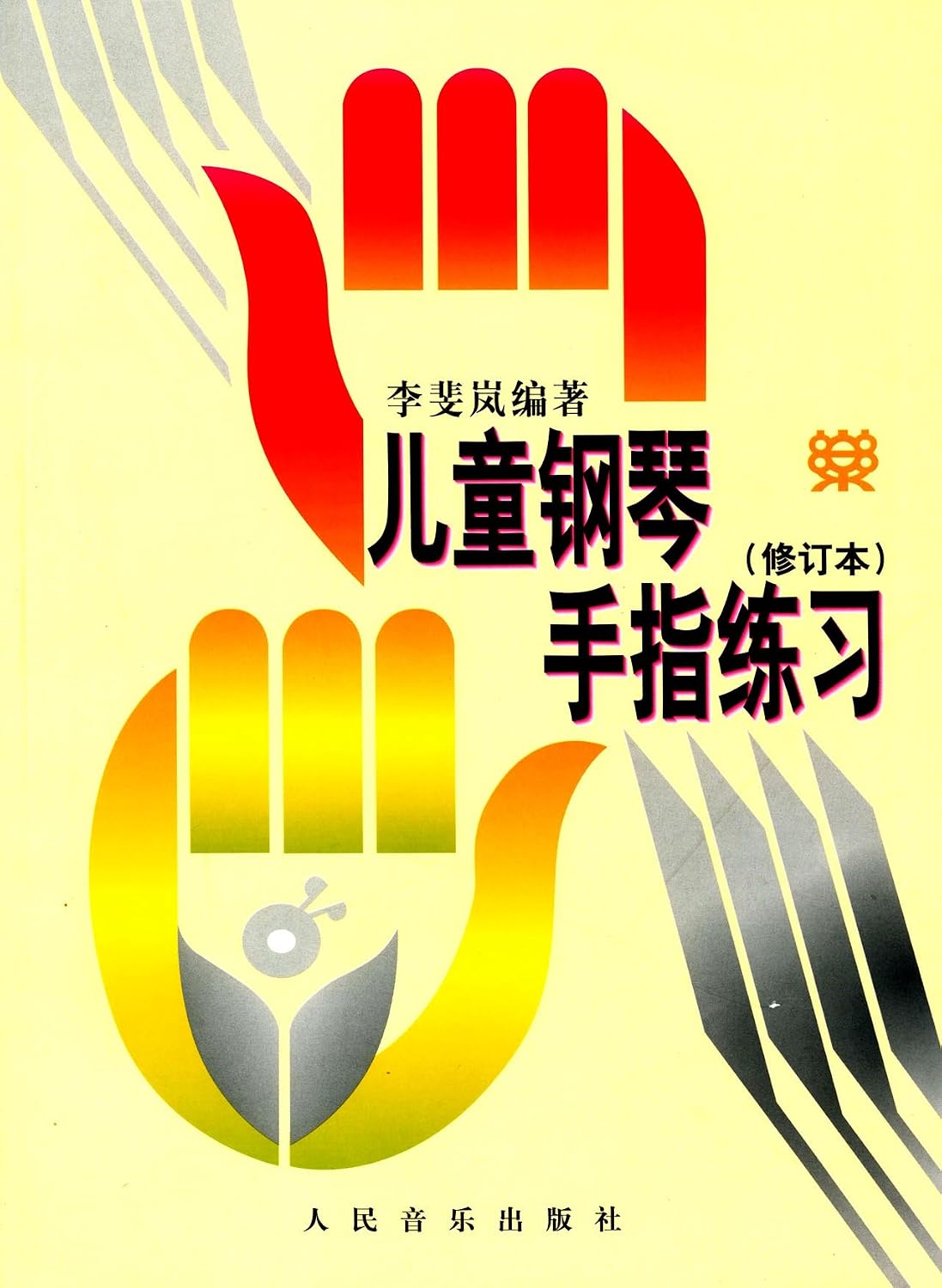
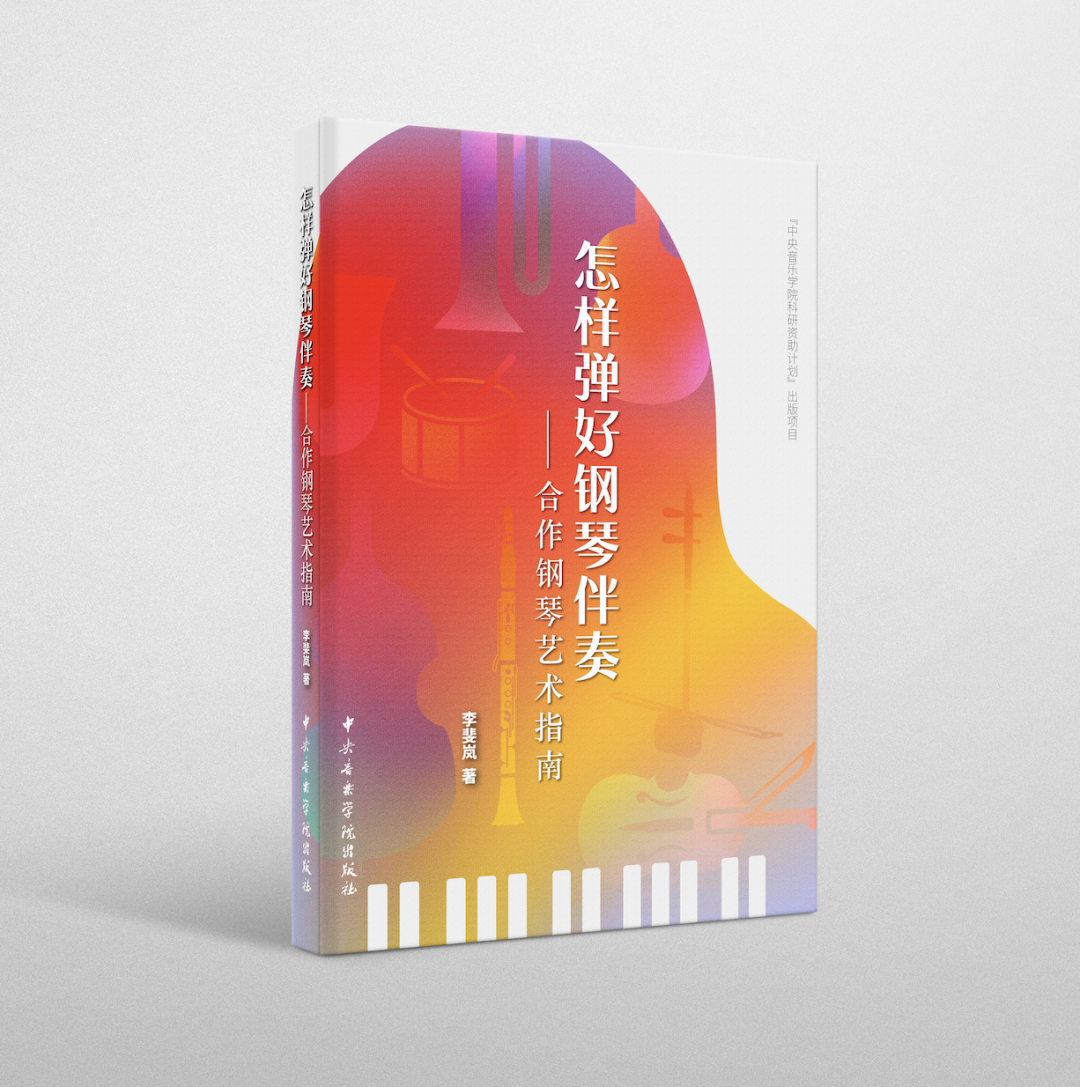
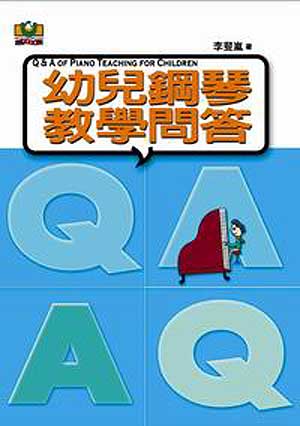
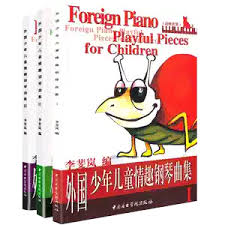
My approach to teaching began with my mother, Professor Li Fei-Lan (李斐岚教授), a distinguished piano educator at the Central Conservatory of Music in Beijing. Her lifelong work in piano pedagogy taught me that teaching begins with understanding the student: how they think, how they listen, how they move, and how imagination can transform a technical idea into something a young musician can truly understand. Over the years, my own studies, performing career, and decades of teaching have continued to shape and expand that foundation. What remains unchanged is the belief that piano education should develop not only accomplished musicians, but thoughtful, independent, imaginative human beings. 我的教学理念,最初来自母亲 - 中央音乐学院钢琴教育家李斐岚教授。她毕生致力于钢琴教育与儿童钢琴教学研究,使我很早就认识到:教学首先要理解学生- 理解他们如何思考、如何聆听、如何运用身体,也理解如何通过想象,把抽象的技术要求转化为孩子真正能够感受和理解的音乐语言。 此后,我自己的求学经历、舞台生涯以及数十年的教学实践,不断丰富和发展着这一理念。但有一点始终没有改变:钢琴教育的意义,不只是培养优秀的演奏者,更在于培养一个孩子逐渐形成对立的思考、丰富的想象力、自己的判断,以及不断追求卓越的能力。 当知识与想象交融,音乐才真正具有生命。我常常通过和声、结构、历史、文学、故事与形象,引导学生从不同角度理解作品。在这样的理解之上,学生逐渐形成自己的音乐诠释与艺术个性。
Dr. Herbert Zipper
My mentor, who discovered me as a young pianist in China and brought me to the United States. Watch Never Give Up — The Story of Dr. Herbert Zipper →
TEACHERS & MENTORS
师承与导师
Mary Ann Cummins
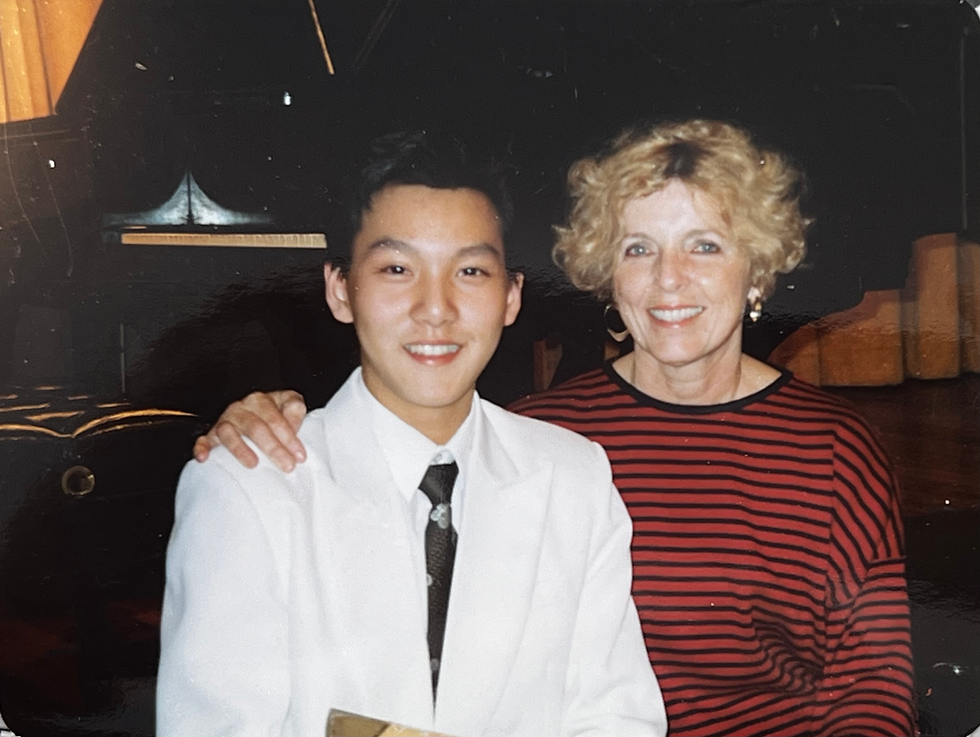
My high school piano teacher and second mother in America. She shaped not only my playing and teaching, but also deepened my understanding of music theory and keyboard harmony. Most importantly, she taught me through her own example that becoming a great musician also means becoming a thoughtful, curious, and generous human being.
Russell Sherman
My teacher at the New England Conservatory, whose artistry, imagination, and uncompromising standards profoundly shaped the way I understand music. His influence continues to guide my teaching and challenge me to reach for higher artistic goals.